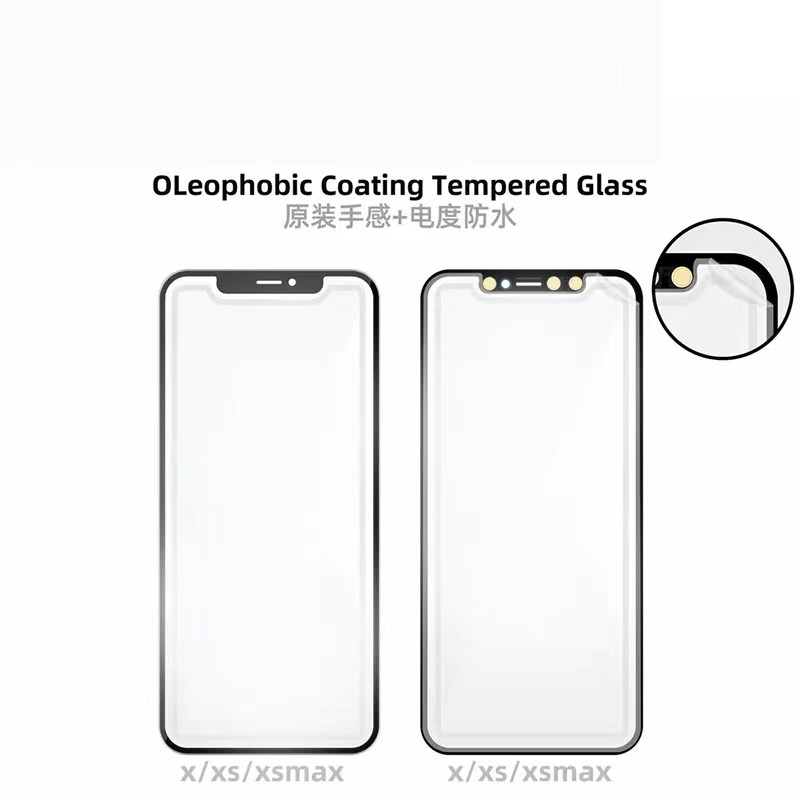
In the rapidly evolving world of smartphone display manufacturing and refurbishment, efficiency and precision are the twin pillars of success. Traditional screen repair methods often required technici
1. Introduction: Why Glass with OCA Matters in Today's Display Industry In today's fast-evolving smartphone and display market, Glass with OCA has become a critical component for both repair businesse
1. Introduction: From Protection to Performance Engineering In the evolution of modern electronic devices, durability is no longer defined solely by surface hardness or scratch resistance. Traditional
Have you ever wondered why a smartphone screen looks clear, bright, and almost seamless when you turn it on? The answer lies not only in the display panel but also in the transparent materials that co
1. The Invisible Barrier: Why Displays Aren't As Clear As They Should Be Even the latest high-resolution displays can appear dim, hazy, or less vibrant than expected. Most users assume the screen itse
Manufacturing starts with a controlled product definition The quality of an OCA glass assembly is determined before the first lamination cycle begins. The manufacturer should translate the display dra
Introduction In modern smart display manufacturing, the cover lens plays a vital role in protecting internal components while preserving touch responsiveness and visual clarity. Selecting the correct
1. OCA addresses a basic problem in multilayer displays Modern displays are built from several layers. Depending on the design, these layers may include cover glass, decorative ink, a touch sensor, op
Introduction In the highly competitive electronics repair and screen manufacturing industries, mastering precise Optically Clear Adhesive (OCA) lamination is what separates elite technicians from amat
In the highly competitive global smartphone repair and secondary market supply chain, efficiency and yield rates dictate profit margins. Traditional repair shops and large-scale refurbishment faciliti