Following the previous article *HDMI: Basic Principles*, we have covered HDMI physical‑layer architecture, TMDS encoding, and version evolution, and learned why 8K@60Hz requires a 48 Gbps bandwidth. Y
Many users have encountered this trouble: you invest in high‑end projectors, Dolby‑Atmos‑capable AV receivers, Blu‑ray players and premium speakers, yet you still face black screen, audio‑video sync i
The official release of the HDMI 2.2 standard has sparked heated technical discussion within the A‑V industry. As the next‑generation high‑definition multimedia interface specification, HDMI 2.2 deliv
Released formally by the HDMI Forum in 2025, the HDMI 2.2 specification is the next generation upgrade over HDMI 2.1. Far more than minor parameter tweaks, it evolves HDMI from a transmission medium f
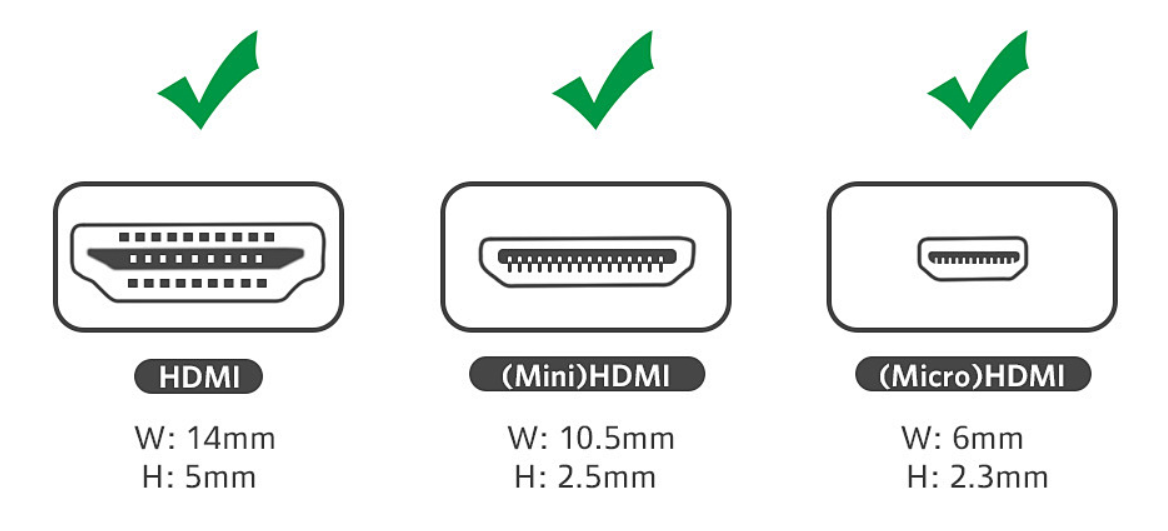
HDMI interfaces are widely used in daily life scenarios. Just like chargers, they have become an indispensable part of our lives. Identified by its physical appearance, the HDMI connector features a f
Released in June 2025, the HDMI Cable 2.2 specification adopts the new-generation Fixed Rate Link signalling technology, boosting the maximum bandwidth from 48Gbps to 96Gbps. It supports uncompressed
HDMI — the undisputed king in consumer‑electronics. It can be found everywhere, from DVD players to PS5, televisions to projectors. In this article, we will break down HDMI’s physical‑layer principles
Got a new graphics card, but your monitor only runs at 60Hz after connection? Even with a 4K screen, the image still looks blurry? The culprit is likely this humble video cable. What Are These Two Int
What is HDMI? HDMI stands for High?Definition Multimedia Interface. Simply put, it is a digital interface that transmits both video and audio signals at the same time. Before HDMI was available, multi